Full Mouth Dental Implants South Africa for Complete Tooth Replacement
Full Mouth Dental Implants South Africa for Complete Tooth Replacement
Blog Article
Get a Complete Set of Dental Implants: Revolutionize Your Smile Today
Dental implants serve as a significant breakthrough in restorative dentistry. They deliver a durable, stable solution for individuals wanting to improve their smile appearance. By replicating the organic structure of teeth, these implants deliver both visual attractiveness and practical benefits. However, the process demands careful evaluation and understanding of personal needs. What factors should one consider before making this choice? Looking into the specifics can clarify the potential advantages and hurdles before you proceed.

The Advantages of Full Dental Implants
Full dental implants provide numerous advantages for individuals looking for a lasting solution to tooth loss. They provide a natural look and performance, nearly resembling real teeth, which enhances confidence and enhances aesthetics. Unlike removable dentures, full dental implants are securely anchored in the jawbone, eliminating issues with slippage or discomfort during chewing or speaking.
In addition, these implants support protecting jawbone health. When teeth are lost, the jawbone can break down over time; full dental implants encourage bone growth, sustaining facial structure. Furthermore, they require no special care protocols beyond regular oral hygiene, making them convenient for daily care.
Patients frequently report enhanced lifestyle quality, as full dental implants allow them to enjoy a diverse range of foods without restrictions. The extended lifespan of implants also makes them a cost-effective option over time, decreasing the need for regular maintenance and replacements linked to other tooth replacement methods.
Tooth Replacements: What Are They and How Do They Perform?
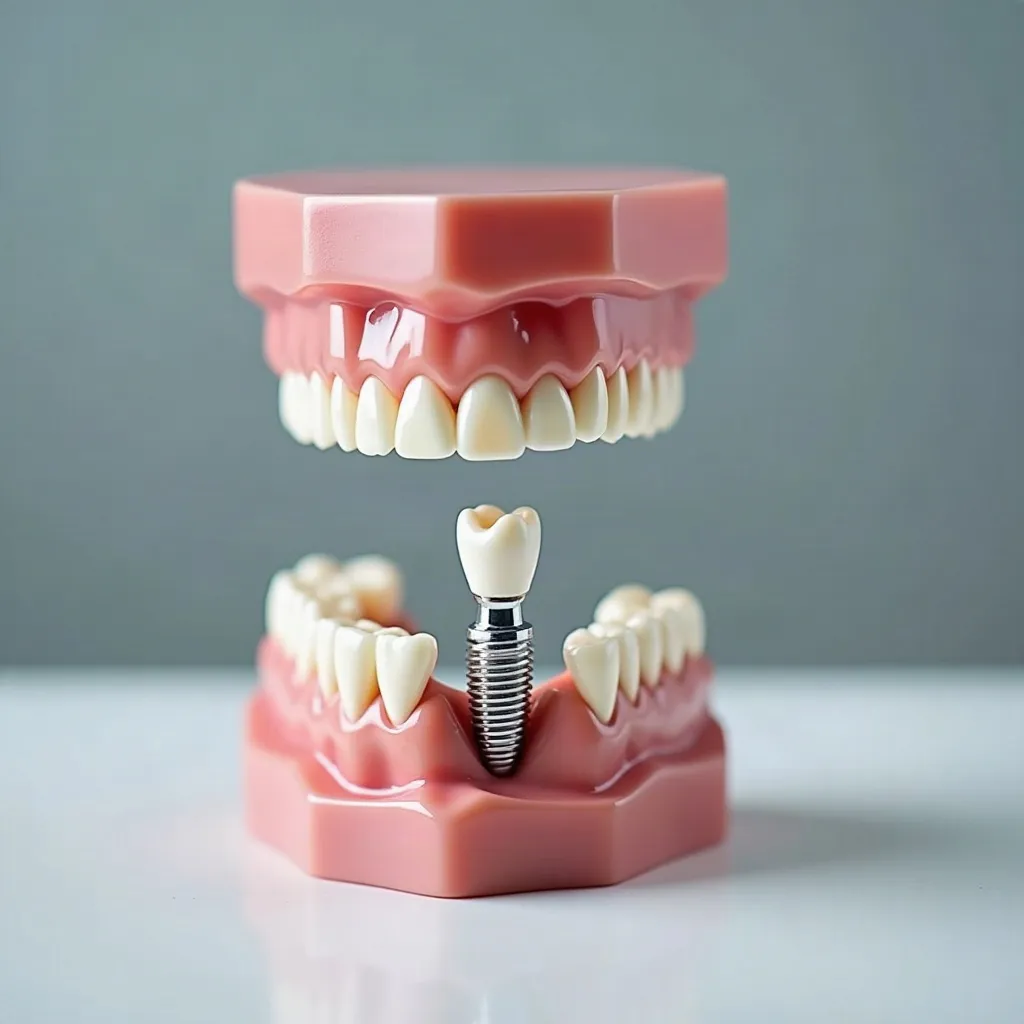
Dental implants are cutting-edge options designed to replace missing teeth, offering a permanent and effective option to conventional dentures and bridges. These implants consist of a titanium post that is operatively placed into the jawbone, serving as a strong foundation for the new tooth. The process starts with the professional tips fusion of the implant into the bone, a process referred to as osseointegration, which usually requires several months. Once healed, a custom-made crown is attached to the post, delivering a natural look and functionality.
Dental implants enhance aesthetics and enhance dental wellness by preventing bone loss, which can happen when teeth are missing. They enable people to enjoy normal eating and speaking without the pain linked to removable dentures. Overall, dental implants represent a major breakthrough in dental technology, offering a reliable solution for those seeking to restore their smile and self-assurance.
What must be involved in obtaining Dental Implants?
The process of obtaining dental implants requires several critical phases designed to achieve a favorable outcome. Initially, a detailed appointment with a dental professional is vital. This assessment includes evaluating oral health, taking X-rays, and reviewing the patient's medical history to establish appropriateness for the procedure.
After being considered proper, a treatment plan is created, specifying the vital steps and timeline. The next phase generally involves the operative placement of the implant, which is a titanium post placed in the jawbone to operate as a root for the artificial tooth. After surgery, a recuperation time is required, allowing the implant to attach to the bone.
Following adequate recovery, an support post is installed, followed by the placement of a custom-made crown that matches the person's original dentition. Throughout this process, frequent follow-up visits guarantee that all aspects is moving forward as planned, establishing the foundation for a successful dental restoration.
Care Tips for Your Dental Implants
Proper aftercare is vital for the durability and success of dental implants. Patients should comply with their dentist’s post-operative instructions meticulously. Initially, maintaining oral hygiene is vital; soft brushing and rinsing with a prescribed antibacterial mouthwash can help stop infection. It is best to avoid hard or sticky foods for the first few weeks, choosing softer options to replace them.
Regular dental examinations are necessary to monitor the implants and surrounding tissues. Patients should also be attentive to any indicators of pain or unusual changes, such as swelling or bleeding, and report these to their dentist immediately. Additionally, stopping tobacco use can significantly improve healing and minimize complications.
Staying properly hydrated and preserving a equilibrium in nutrition supports overall health, moreover benefiting the implant process. By following these aftercare tips, people can raise the likelihood of successful integration and long-term gratification with their dental implants.
How to Establish if Full Dental Implants Are Right for You?
Are you wondering whether full dental implants are the best option? Individuals evaluating this option should assess several key factors. First, they must assess their oral health; sufficient bone density and healthy gums are crucial for effective implant placement. Speaking with a dental professional can offer information into whether one's tooth anatomy supports implants.
Moreover, patients should assess their personal circumstances and long-term dental goals. Total dental implants offer durability and a authentic look, deeming them fitting for those wanting a permanent solution. Financial implications are also significant; while implant treatments can be costly, they may deliver improved benefits over time as opposed to other dental solutions.
Ultimately, subjective tastes pertaining to maintenance and aesthetics constitute a major factor. By examining these factors, individuals can make a sound decision about whether full dental implants satisfy their wants and objectives for a restored smile.
Frequently Asked Questions
How Extended Do Dental Implants Usually Last?
Dental implants typically last between 10 to 15 years, with many remaining functional much extended depending on factors like oral hygiene, the individual's health, and the quality of the implant procedure. Routine dental examinations are crucial for longevity.
Are Dental Implants Protected by Coverage?
Dental implants usually aren't wholly covered by insurance. Coverage fluctuates based on the plan, with certain plans offering modest benefits for the procedure, while some may exclude it at all. It's necessary to check your particular insurance details.
Can Any Person Get Tooth Implants?
Not all patients qualify for dental implants. Factors such as bone density, overall health, and oral hygiene play vital roles in determining eligibility. A thorough consultation with a dental professional is essential for assessment.
What Price Should You Anticipate for Full Dental Implants?
The expense of full dental implants typically ranges from $20,000 to $40,000, depending on multiple considerations such as location, materials used, and individual needs. Patients should speak with dental professionals for accurate estimates customized to their circumstances.
Do Dental Implants Resemble the Feel of Natural Teeth?
Dental implants regularly act like natural teeth for most individuals. They are intended to attach to the jawbone, sustaining stability and comfort. Many users share a high level of satisfaction with their operational and cosmetic qualities.
Report this page