Full Mouth Dental Implants for Natural Looking Results
Full Mouth Dental Implants for Natural Looking Results
Blog Article
Obtain a Comprehensive Set of Dental Implants: Transform Your Smile Today
Dental implants serve as a significant breakthrough in dental restoration. They provide a durable, stable answer for individuals seeking to enhance their smiles. By imitating the natural design of teeth, these implants deliver both visual attractiveness and functional advantages. However, the process demands thoughtful consideration and understanding of personal needs. What considerations should one assess before making this choice? Examining the details can clarify the possible benefits and hurdles before you proceed.

The Benefits of Full Dental Implants
Full dental implants provide many advantages for people looking for a lasting solution to missing teeth. They deliver a lifelike appearance and function, closely mimicking real teeth, which enhances confidence and improves appearance. Unlike detachable dentures, full dental implants are securely anchored in the jawbone, removing problems with shifting or discomfort during eating or talking.
Moreover, these restorations help maintain safeguarding jawbone health. When teeth are absent, the jawbone can deteriorate over time; full dental solutions promote bone growth, keeping facial structure. Furthermore, they require no special cleaning procedures beyond regular oral hygiene, ensuring ease for daily care.
Patients often state enhanced quality of life, as full dental implants give them to appreciate a broad range of foods without limits. The long-term durability of implants also makes them a cost-effective option over time, limiting the need for frequent replacements or repairs linked to other tooth replacement methods.
Understanding Implant Teeth and Their Mechanism
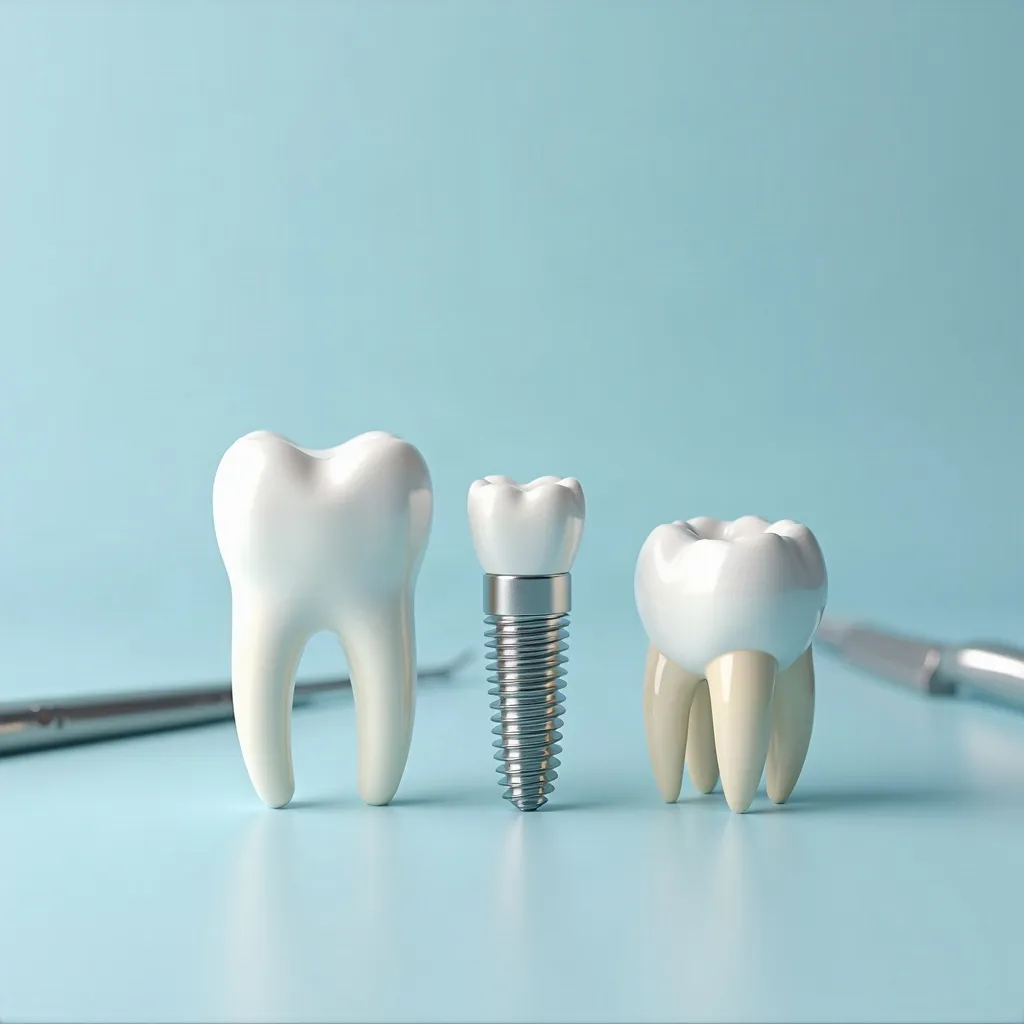
Dental implants are innovative solutions created to substitute for missing teeth, offering a lasting and efficient alternative to conventional dentures and bridges. These implants are made up of a titanium post that is surgically inserted into the jawbone, acting as a strong foundation for the new tooth. The process starts with the fusion of the implant into the bone, a process referred to as osseointegration, which typically takes several months. Once healed, a custom-made crown is attached to the post, providing a natural appearance and function.
Dental implants restore aesthetics and improve oral health by preventing bone loss, which can happen when teeth are missing. They allow individuals to enjoy normal eating and speaking without the pain linked to removable dentures. Overall, dental implants represent a significant advancement in dental technology, offering a reliable solution for those looking to regain their smile and confidence.
What is involved in getting Dental Implants?
The procedure of obtaining dental implants requires several key phases intended to achieve a successful outcome. Initially, a thorough appointment with a dental professional is essential. This assessment includes evaluating oral health, obtaining X-rays, and discussing the patient's medical history to establish appropriateness for the procedure.
Once deemed suitable, a treatment plan is developed, describing the necessary steps and timeline. The subsequent step usually involves the operative insertion of the implant, which is a titanium post placed in the jawbone to serve as a root for the prosthetic tooth. After surgery, a healing period is required, enabling the implant to bond with the bone.
After adequate recovery, an connector is attached, followed by the installation of a custom-made dental cap that complements the patient's natural teeth. Throughout this process, consistent follow-up visits guarantee that all components is progressing as intended, setting the stage for a successful tooth replacement.
Post-Treatment Tips for Your Dental Implants
Proper aftercare is essential to the lasting success and outcome of dental implants. Patients must adhere to their dentist’s post-operative instructions rigorously. Initially, maintaining oral hygiene is vital; careful brushing and rinsing with a doctor-recommended antibacterial mouthwash can help prevent infection. It is advisable to avoid hard or sticky foods full set dental implants for the first few weeks, favoring softer options instead.
Regular dental examinations are necessary to track the implants and surrounding tissues. Patients should also be alert to any indicators of pain or unusual changes, such as inflammation or blood loss, and report these to their dentist right away. Additionally, quitting smoking can significantly improve healing and reduce complications.
Keeping hydrated and maintaining a well-rounded diet supports overall health, furthermore benefiting the implant process. By following these care guidelines, candidates can increase the likelihood of successful bone integration and long-term fulfillment with their dental implants.
How to Confirm if Full Dental Implants Are Right for You?
Are you thinking if full dental implants are the right choice? Individuals evaluating this alternative should evaluate several key factors. First, they must examine their oral health; adequate bone density and strong gum tissue are essential for successful implantation. Consulting with a dental professional can provide information into whether one's tooth anatomy is suitable for implants.
Moreover, patients should assess their lifestyle and long-term dental goals. Full dental implants offer durability and a natural appearance, deeming them fitting for those in search of a permanent solution. Financial implications are also significant; while implant treatments can be pricey, they may supply improved benefits over time as opposed to other tooth care alternatives.
In conclusion, individual choices surrounding maintenance and aesthetics are vitally important. By assessing these considerations, individuals can arrive at a well-reasoned decision about whether full dental implants fit with their needs and expectations for a renewed smile.
Regularly Asked Questions
How Long Do Dental Implants Generally Last?
Dental implants often remain intact between 10 to 15 years, with most remaining significantly more durable based on considerations such as oral hygiene, the individual's health, and the quality of the implant operation. Periodic dental assessments are essential for longevity.
Is Tooth Implant Treatment Covered by Insurance Policies?
Dental implants typically aren't fully covered by coverage. Reimbursement varies depending on the plan terms, with several policies extending partial coverage for the procedure, while others may exclude it in full. It's critical to verify individual insurance details.
Are Dental Implants Suitable for Everybody?
Not all patients are candidates for dental implants. Aspects including bone density, overall health, and oral hygiene determine eligibility. A thorough discussion with a dental expert is required for assessment.
What Price Should You Anticipate for Complete Dental Implants?
The expense of complete dental implants generally ranges from $20,000 to $40,000, based on various factors such as location, materials used, and individual needs. Patients should speak with dental professionals for accurate estimates tailored to their circumstances.
Do Tooth Implants Seem Like Real Teeth?
Dental implants usually mimic natural teeth for most individuals. They are built to bond with the jawbone, ensuring stability and comfort. Many users express a high level of satisfaction with their performance and appearance qualities.
Report this page